
Language and Identity in International Education
international education gives students powerful opportunities to learn new languages, meet wider perspectives, and prepare for a global future. Yet successful international education does not ask students to leave their identity behind. It helps them grow globally while remaining confident in who they are.
Language as a Bridge, Not a Barrier
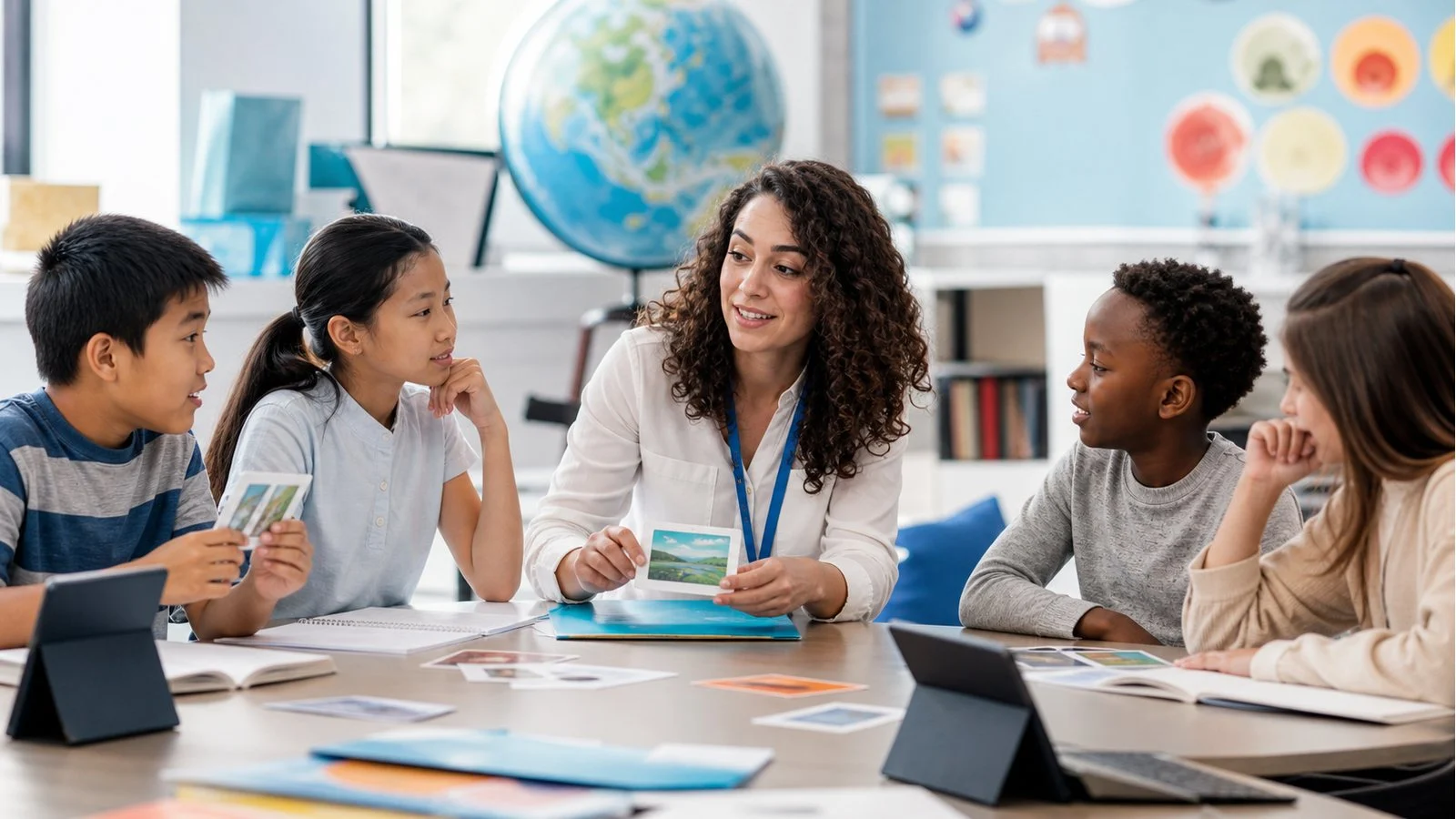
Learning in more than one language allows students to communicate with different communities and access wider academic resources. It strengthens thinking, listening, and expression. When language is taught with care, it becomes a bridge between cultures and a tool for confidence.
Students should feel that every language they learn adds to their personality and future, rather than replacing their mother tongue or cultural background.
Identity Builds Confidence
A student who understands their values, culture, and family background is more emotionally secure. In an international school, identity should be respected through classroom discussions, school culture, celebrations, and daily communication. This creates a learning environment where students feel seen and valued.
Balanced International Education
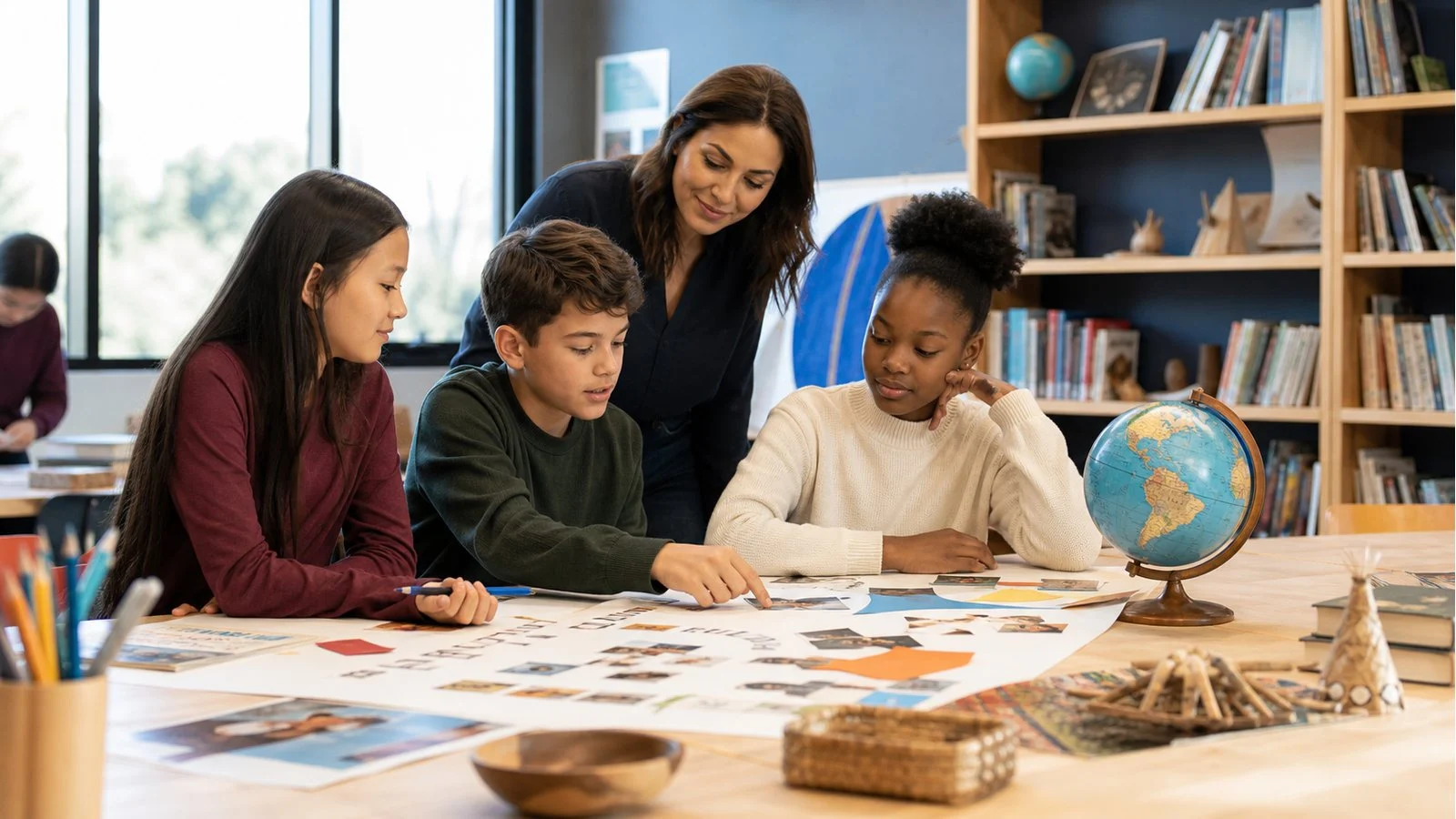
The best international schools help students become open-minded without becoming disconnected. They teach respect for other cultures while strengthening personal responsibility, ethical behavior, and belonging. This balance builds students who can participate in the world with confidence and humility.
For a related perspective, read how an international school prepares students for the future, because global readiness begins with both skills and self-confidence.
Teachers Shape the Learning Climate
Teachers play a central role in this balance. Through language support, inclusive discussion, and positive feedback, they help students express themselves without fear. A classroom that respects identity encourages stronger participation, better communication, and deeper learning.

A Confident Student for a Connected World
When language learning and identity work together, students become ready to communicate across cultures while staying grounded in their values. That is the heart of meaningful international education.
For more on global citizenship and peace education, see UNESCO Global Citizenship and Peace Education.